A Buddhist funeral serves as more than a ritual farewell; it is a moment to confront impermanence and the nature of existence buddhist funeral packages. These ceremonies blend solemn respect with spiritual purpose, guiding both the deceased and the living through practices that ease attachment and encourage compassion. Understanding the significance of these traditions reveals how they support the cycle of rebirth and communal healing, while varying subtly across cultures.
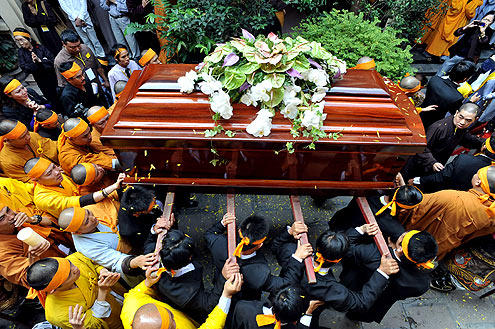
What Buddhist Funeral Rituals Mean
What significance do Buddhist funeral rituals hold within the tradition? They serve as a meaningful framework to acknowledge impermanence and facilitate the deceased’s passage from this life. These rituals embody core Buddhist principles such as detachment https://hongenlife.com/en/traditional-buddhist-funeral/, compassion, and the cycle of rebirth, offering both the departed and the living a space to reflect on existence beyond physical death.
Key Buddhist Funeral Ceremonies and Practices
Buddhist funeral ceremonies encompass a series of carefully prescribed practices designed to honor the deceased and support their passage. These practices vary by tradition but share a focus on mindfulness and compassion.
Key elements include:
- Preparation of the Body: The body is respectfully washed and dressed, often in simple robes, symbolizing purity and detachment.
- Wake or Vigil: Family and friends gather to keep watch, reflecting on impermanence and offering silent respect.
- Funeral Service: Monks or spiritual leaders conduct ceremonies involving prayers and symbolic gestures to aid the deceased’s journey.
- Cremation or Burial: The final disposition aligns with cultural customs, emphasizing the transient nature of life.
These ceremonies provide structure while allowing personal expression, inviting participants to engage freely with the spiritual process.
The Role of Chanting and Offerings in Buddhist Funerals
Chanting and offerings serve as central components in funeral rites, creating a sacred atmosphere that supports both the deceased and the mourners. Chanting, often performed by monks or family members, involves reciting sutras or mantras to invoke blessings and guide the departed toward a favorable rebirth. This vocal practice fosters mindfulness and spiritual focus among participants.
Offerings, which may include incense, flowers, food, and symbolic items, express respect and generosity. These acts symbolize detachment from material attachments and the impermanence of life. Together, chanting and offerings reinforce communal bonds, honor the cycle of existence, and encourage reflection on freedom from suffering. They provide a meaningful framework that embraces passage while nurturing inner peace for all involved.

Symbolic Gestures in Buddhist Funerals That Comfort the Living
Beyond vocal expressions and offerings, physical gestures carry profound meaning within funeral ceremonies, providing solace to those grieving. These gestures act as tangible connections to the cycle of life and impermanence, helping mourners find peace and acceptance.
Key symbolic gestures include:
- Bowing respectfully to the deceased, signifying humility and honoring their journey.
- Lighting incense, representing the purification of the environment and the transmission of prayers.
- Placing flowers around the body, symbolizing the transient nature of life and beauty.
- Pouring water over the hands or body, illustrating cleansing and the release of attachments.
Each gesture fosters reflection and emotional release, allowing mourners to embrace freedom from suffering while celebrating the deceased’s passage.
Cultural Variations in Buddhist Funeral Traditions
Across different regions, funeral practices influenced by Buddhist teachings exhibit diverse customs shaped by local culture, history, and religious interpretation.
In Japan, funerals often emphasize chanting sutras and incense offerings, reflecting Shingon or Pure Land traditions.
Tibetan ceremonies integrate elaborate rituals with prayer flags and mandalas, blending Vajrayana m.
In Southeast Asia, Theravada Buddhist funerals focus on merit-making activities like almsgiving and communal chanting.
These variations demonstrate Buddhism’s adaptability, allowing communities to honor the deceased in ways that resonate with their unique values and social contexts. Despite differences, core principles—such as impermanence, compassion, and the cycle of rebirth—remain central.
This flexibility allows individuals and families the freedom to shape funeral rites that provide meaningful closure and spiritual support.
Conclusion
Buddhist funerals embody profound teachings on impermanence, compassion, and the cycle of rebirth, guiding both the deceased and mourners through mindful rituals. Through ceremonies such as chanting, offerings, and symbolic gestures, these traditions provide comfort, encourage letting go, and promote merit-making. While practices vary across cultures, the core emphasis remains on easing attachment and suffering, fostering communal support, and honoring life’s transient nature with respect and mindfulness.
0 Comments